Home security starts with knowing what you want to protect and where risks appear most often. Many homeowners struggle to decide between indoor and outdoor security cameras, or whether they need both. Each type serves a clear purpose, and choosing the wrong one can leave blind spots in your security setup. Indoor cameras focus on monitoring living spaces, valuables, and daily activity inside the home. Outdoor cameras guard entry points, yards, and driveways from external threats. This comparison explains the real differences between indoor and outdoor security cameras in simple terms. It breaks down how they work, what features matter most, and which option fits different home layouts and lifestyles. By understanding placement, design, durability, and performance, you can make a confident choice. The goal is not to push one option over the other, but to help you match the right cctv camera for home to the right job. A clear decision leads to better protection and fewer unnecessary costs.
What Is the Difference Between Indoor and Outdoor Security Cameras?
Intended Placement and Coverage Areas
Indoor security cameras monitor activity inside enclosed spaces. People place them in living rooms, hallways, nurseries, home offices, and near entry doors. These cameras focus on close-range coverage and controlled environments. Walls, ceilings, and furniture shape their field of view. They help homeowners watch pets, children, caregivers, or unexpected movement when no one is home. Outdoor security cameras protect areas outside the house. Common locations include front doors, backyards, garages, side paths, and fences. These cameras cover wider spaces and longer distances. They monitor potential entry points and detect movement before someone enters the home. Outdoor cameras play a key role in deterring intruders because they provide visible security and early alerts.
Design, Size, and Visibility
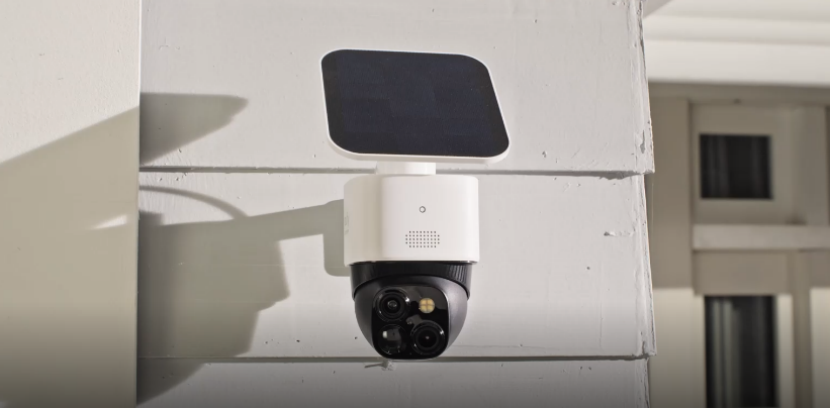
Indoor cameras usually have compact and lightweight designs. Manufacturers expect users to place them on shelves, tables, or ceilings. Their appearance blends with home décor. Many indoor models prioritize discreet monitoring rather than deterrence. Outdoor cameras use stronger housings and more noticeable designs. They often appear larger because they need space for protective casings and mounting hardware. Visibility matters outdoors. A visible camera can discourage suspicious behavior before it starts. The design also supports firm mounting to withstand wind, vibration, and long-term exposure.
Key Features Comparison: Indoor vs Outdoor Cameras
Video Quality and Field of View
Both indoor and outdoor cameras offer high-definition video, but their priorities differ. Indoor cameras focus on clarity at close range. They capture facial details, small movements, and indoor activity with precision. A moderate field of view works well in smaller rooms. Outdoor cameras need wider coverage. They often use a broader field of view to monitor large areas like yards or driveways. Distance clarity matters more outdoors. Cameras must identify people or vehicles several meters away without losing detail.
Weather Resistance and Durability
Indoor cameras operate in stable conditions. They do not need protection from rain, dust, or extreme temperatures. As a result, they use lighter materials and simpler housings. Outdoor cameras face harsh conditions every day. Rain, heat, cold, wind, and dust can damage unprotected devices. Outdoor models include weather-resistant casings that protect internal components. Durability ensures the camera continues working year-round without frequent maintenance or replacement.
Night Vision and Low-Light Performance
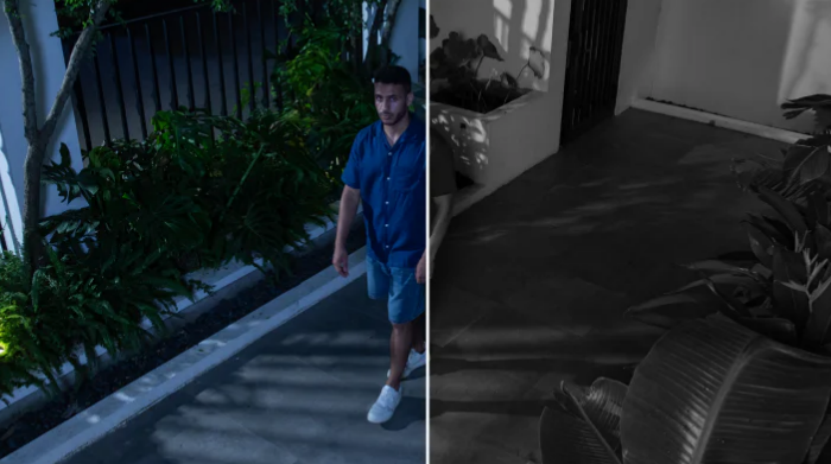
Indoor cameras rely on low-light sensitivity and infrared night vision to monitor dark rooms. They often work well with minimal ambient light from lamps or streetlights through windows. Outdoor cameras handle complete darkness more often. They use stronger infrared systems or built-in lighting to illuminate outdoor spaces. Clear night vision helps detect movement after sunset, which is when many security incidents occur.
Power Options and Connectivity
Indoor cameras commonly use standard power outlets or USB connections. Installation is simple and flexible. Many users move indoor cameras easily as needs change. Outdoor cameras may use wired power, battery systems, or solar-assisted options. Power choice affects placement and maintenance. Outdoor connectivity must remain stable despite distance from the router or interference from walls. Reliable connectivity ensures timely alerts and smooth video streaming.
Which One Should You Choose for Your Home Security Needs?
Best Use Cases for Indoor Security Cameras
Indoor cameras work best when you want visibility inside your home. They suit families who want to check on children after school, monitor pets during work hours, or keep an eye on elderly relatives. They also help detect unexpected movement near interior doors or valuable items. Renters often prefer indoor cameras because installation does not require drilling or permanent fixtures. These cameras offer flexibility and affordability. They focus on awareness rather than deterrence. If privacy matters, indoor cameras allow careful placement and controlled monitoring schedules.
Best Use Cases for Outdoor Security Cameras
Outdoor cameras suit homeowners who want to prevent threats before they reach the door. They monitor suspicious activity around entry points and open spaces. Early detection allows faster response and reduces the chance of break-ins. Homes with yards, driveways, or multiple access points benefit most from outdoor cameras. These cameras also help with package monitoring and vehicle security. If crime deterrence is a priority, outdoor cameras play a stronger role because visibility alone can influence behavior.
Conclusion
Indoor and outdoor security cameras serve different but complementary purposes. Indoor cameras focus on awareness, detail, and flexibility inside the home. Outdoor cameras emphasize durability, wide coverage, and deterrence outside. The right choice depends on where risks exist and what you want to monitor most. Many homes benefit from using both types together. Outdoor cameras detect activity early, while indoor cameras confirm what happens inside. This layered approach improves security without unnecessary complexity. By understanding placement, features, and use cases, you can select cameras that match your home and lifestyle. A thoughtful setup creates peace of mind and strengthens overall home protection.